



Is Electric Geyser Safe

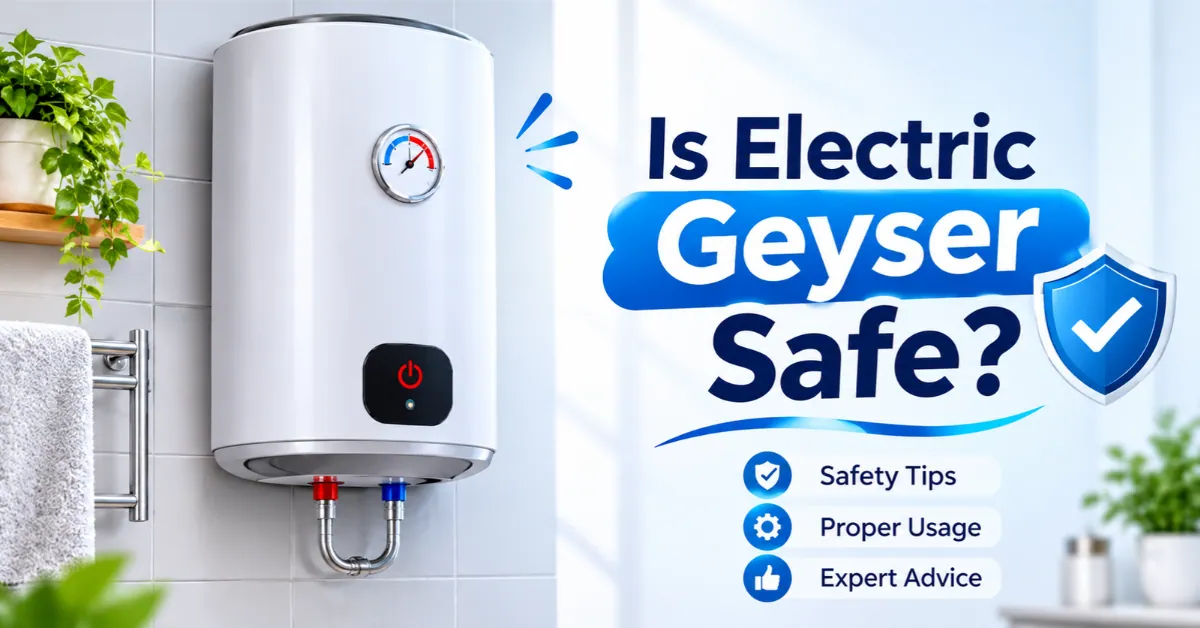
Is Electric Geyser Safe? Complete Home Safety Guide
An electric geyser is a convenient way to get hot water for bathing, washing, and everyday household activities. However, many people have an important question before buying or using one: Is electric geyser safe?
Yes, an electric geyser can be safe for home use when it is properly installed, maintained, and operated according to the manufacturer’s instructions. However, like other electrical appliances, it can become dangerous if it has faulty wiring, poor earthing, damaged components, incorrect installation, or a malfunctioning thermostat.
In this guide, Bijli Bazar explains electric geyser safety, common risks, precautions, installation requirements, and tips for using an electric water heater safely.
Is Electric Geyser Safe for Home Use?
Is Electric Geyser Safe – Yes, an electric geyser is generally safe when it meets the required safety standards and is installed correctly by a qualified electrician or technician.
Modern electric geysers commonly include safety features such as:
- Thermostat: Controls the water temperature and switches the heating element on or off as needed.
- Thermal cut-out: Helps prevent excessive heating if the temperature control system fails.
- Pressure relief valve: Helps release excessive pressure in models designed with this safety feature.
- Insulated water tank: Helps reduce heat loss and keeps the outer surface from becoming excessively hot.
- Electrical protection: A correctly installed circuit breaker and residual-current protection can help reduce electrical risks.
The exact safety features vary by brand and model. Always check the product specifications and user manual before purchasing or installing an electric geyser.
What Are the Common Risks of Using an Electric Geyser? – Is Electric Geyser Safe
Although electric geysers are designed for household use, incorrect installation or poor maintenance can create safety problems.
1. Electric Shock
A damaged heating element, faulty wiring, poor earthing, or electrical leakage can create an electric shock risk.
This is especially important in bathrooms and other wet areas because water increases the danger of electrical accidents.
2. Overheating
If the thermostat or temperature-control system stops working correctly, water may become excessively hot.
This can increase the risk of scalding and may create dangerous pressure conditions in a faulty or improperly maintained unit.
3. Excessive Water Pressure
Water expands when heated. If pressure cannot be controlled properly, it may build up inside the tank.
A suitable pressure relief arrangement must be installed and maintained according to the manufacturer’s instructions. Never block or remove a pressure relief valve.
4. Water Leakage
A damaged tank, loose connection, or worn seal can cause water leakage.
If water reaches electrical connections, it can create a serious electrical hazard. Switch off the power from a safe, dry location and contact a qualified technician.
5. Fire Risk
Incorrect wiring, overloaded circuits, loose electrical connections, and unsuitable cables can overheat and potentially cause a fire.
An electric geyser should have an appropriate electrical circuit and protection based on its rated power and the local electrical requirements.
10 Important Safety Tips for Using an Electric Geyser – Is Electric Geyser Safe
Follow these precautions to reduce the risks associated with electric water heaters.
1. Get Professional Installation
Always have your electric geyser installed by a qualified electrician or trained technician.
Incorrect installation can cause electrical faults, water leakage, and pressure-related problems.
2. Ensure Proper Earthing
Proper earthing is essential for electrical safety. It provides a protective path for fault current and helps protective devices operate correctly.
Never use an electric geyser if its earthing is missing, damaged, or uncertain.
3. Install an Appropriate Circuit Breaker and RCD/RCCB
The geyser should have suitable electrical protection based on its power rating and wiring requirements.
A residual-current device (RCD), also known as an RCCB in many installations, can help reduce the risk of electric shock by detecting leakage current. It does not replace proper earthing or correct installation.
4. Keep Electrical Connections Away from Water
Make sure switches, wiring connections, and electrical components are protected from water and installed in suitable locations.
Never touch electrical switches or plugs with wet hands.
5. Check the Thermostat
The thermostat regulates the water temperature. If it is not working properly, the geyser may overheat.
If the water becomes unusually hot or the appliance behaves abnormally, stop using it and arrange a professional inspection.
6. Never Block the Pressure Relief Valve
The pressure relief valve is an important safety component in applicable storage water heaters.
Never block, remove, or modify it. Follow the manufacturer’s instructions for its installation and maintenance.
7. Inspect the Power Cable Regularly
Check for visible damage, burning marks, loose connections, or unusual smells.
If you notice any of these warning signs, stop using the appliance and have it inspected by a qualified electrician.
8. Avoid DIY Electrical Repairs
Do not open the geyser or attempt to repair its internal electrical components yourself.
Always disconnect the appliance from power safely before any permitted maintenance. Internal electrical repairs should be handled by a qualified professional.
9. Maintain a Safe Water Temperature
Excessively hot water can cause serious burns, particularly for children and older adults.
Set the thermostat according to the manufacturer’s instructions and use suitable temperature controls or mixing valves where appropriate.
10. Schedule Regular Maintenance
Periodic inspection can help identify corrosion, leaks, damaged wiring, thermostat problems, and pressure-relief issues before they become serious.
Follow the maintenance schedule in your geyser’s user manual.
Is Electric Geyser Safe in the Bathroom?
An electric geyser can be used in a bathroom when the appliance and its electrical installation are suitable for that location and comply with applicable electrical safety requirements.
Bathrooms are considered higher-risk areas because people may be in direct contact with water while using electrical appliances.
For safer bathroom installation:
- Use a model approved for the intended installation location.
- Have a qualified electrician assess the bathroom’s electrical layout.
- Ensure proper earthing and suitable residual-current protection.
- Keep switches and electrical connections in appropriate locations.
- Follow the manufacturer’s required installation clearances and protection ratings.
- Never touch the geyser’s electrical controls with wet hands.
If the installation is not compliant or you are unsure about its safety, do not use the appliance until it has been inspected.
Should You Switch Off an Electric Geyser After Heating Water?
Switching off an electric geyser after heating water can reduce unnecessary electricity consumption, depending on your usage habits and the appliance’s insulation.
Many storage geysers use a thermostat to maintain the selected water temperature. When the water cools, the heating element may switch on again automatically if the power remains connected.
For safety and energy management:
- Follow the operating instructions supplied with your model.
- Use the designated switch or isolator where appropriate.
- Do not operate a damaged or faulty geyser.
- If you need to inspect or service the appliance, have it safely isolated from the electrical supply.
Switching off the power does not replace proper installation, earthing, or electrical protection.
Is Electric Geyser Safe for Children and Older People?
An electric geyser can be used in a household with children and older people, but extra care is necessary because hot water can cause scalding.
Consider these precautions:
- Keep the water temperature at a suitable level.
- Do not allow children to operate the geyser controls.
- Keep children away from electrical switches and exposed wiring.
- Check the water temperature before bathing.
- Consider a thermostatic mixing valve to reduce the risk of excessively hot water at the tap or shower.
Never assume that a thermostat alone eliminates the risk of burns.
Is Electric Geyser Safe – Electric Geyser vs Gas Geyser: Which Is Safer?
Both electric and gas geysers can be safe when correctly installed and maintained. However, they have different safety considerations.
| Safety Factor | Electric Geyser | Gas Geyser |
|---|---|---|
| Main energy source | Electricity | Natural gas or LPG |
| Main safety concern | Electric shock and electrical faults | Gas leakage and carbon monoxide |
| Earthing | Required where applicable | Depends on electrical components and model |
| Ventilation | Follow installation requirements | Proper ventilation and exhaust are essential |
| Maintenance | Electrical, tank, and pressure checks | Burner, gas connection, and exhaust checks |
| Professional installation | Important | Essential |
An electric geyser avoids the combustion-related risks associated with gas appliances, but it still requires proper electrical protection and installation.
The safest option depends on the product quality, installation conditions, and maintenance.
How to Know If Your Electric Geyser Is Unsafe
Stop using your electric geyser and arrange a professional inspection if you notice any of these warning signs:
- Electric shock or tingling when touching the appliance or nearby water fittings.
- Burning smell from the switch or wiring.
- Sparks, smoke, or unusual electrical sounds.
- Water leaking near electrical components.
- Repeated tripping of the circuit breaker or RCD.
- Water becoming excessively hot without normal temperature control.
- Visible corrosion, damaged cables, or loose connections.
Important: If you experience an electric shock, do not touch the person or appliance while it may still be connected to electricity. Isolate the power from a safe location if possible and seek emergency assistance when needed.
How to Choose a Safe Electric Geyser in Pakistan – Is Electric Geyser Safe
Before purchasing an electric geyser, consider more than its price and capacity. Safety features, product quality, installation requirements, and warranty coverage are also important.
Check the Safety Features
Look for models with appropriate temperature control, thermal protection, and pressure safety features where applicable.
Choose the Right Capacity
Select a geyser capacity according to the number of people in your household and your hot-water requirements.
Check the Electrical Requirements
Review the rated wattage, voltage, recommended cable size, and circuit protection requirements. Have an electrician confirm that your home’s electrical system can support the appliance.
Check the Warranty
Review the warranty coverage for the tank, heating element, thermostat, and other components.
Buy from a Reliable Seller
Purchase from a seller that provides genuine products, clear specifications, and warranty information.
At Bijli Bazar, compare available electric geyser models, capacities, and features before choosing the right appliance for your home.
Frequently Asked Questions – Is Electric Geyser Safe
1. Is electric geyser safe to use every day?
Yes, an electric geyser can be used daily when it is correctly installed, properly maintained, and operated according to the manufacturer’s instructions.
2. Can an electric geyser give an electric shock?
Yes. Faulty wiring, poor earthing, damaged heating elements, or electrical leakage can create a shock risk. Proper earthing and suitable electrical protection are essential.
3. Is an electric geyser safe during rain?
Rain itself does not automatically make an indoor electric geyser unsafe. However, water entering electrical connections, switches, or the appliance can create serious hazards. Keep the electrical installation dry and protected.
4. Should I turn off my electric geyser after use?
Follow your model’s operating instructions. Turning off the power when hot water is not needed may help avoid unnecessary reheating, depending on your usage pattern.
5. Can an electric geyser explode? – Is Electric Geyser Safe
A properly installed and maintained geyser with functioning temperature and pressure safety controls is designed to operate safely. However, a serious malfunction, blocked pressure relief arrangement, or incorrect installation can create dangerous pressure conditions.
6. Is electric geyser safe for small bathrooms?
It can be safe if the model is suitable for the location and installed according to applicable bathroom electrical safety requirements. A qualified electrician should assess the installation.
7. Does an electric geyser need earthing?
Yes, proper protective earthing is essential for an electrically powered geyser where required by its design and electrical installation standards.
8. What is the safest temperature for an electric geyser?
The appropriate setting depends on the model, household needs, and scald-prevention measures. Follow the manufacturer’s recommendations and consider a thermostatic mixing valve to control the temperature delivered at the tap.
9. Why does my electric geyser trip the breaker?
Possible causes include an overloaded circuit, damaged heating element, water leakage into electrical components, faulty wiring, or a defective protective device. Stop using the geyser and contact a qualified electrician.
10. How often should an electric geyser be serviced?
Follow the manufacturer’s maintenance schedule. Have the electrical connections, thermostat, tank, and pressure safety components inspected at the recommended intervals.
Conclusion – Is Electric Geyser Safe
So, is electric geyser safe? Yes, it can be a safe and convenient appliance for everyday home use when it is installed correctly and maintained properly.
The most important safety measures are proper earthing, suitable circuit protection, professional installation, correct temperature control, and regular maintenance. Never ignore burning smells, electrical shocks, water leakage, or repeated breaker trips.
Before purchasing an electric geyser, compare its capacity, safety features, electrical requirements, and warranty. Visit Bijli Bazar to explore available electric geyser options and choose a model that meets your household’s hot-water needs.