
Juicer vs Blender: Which One You Need?

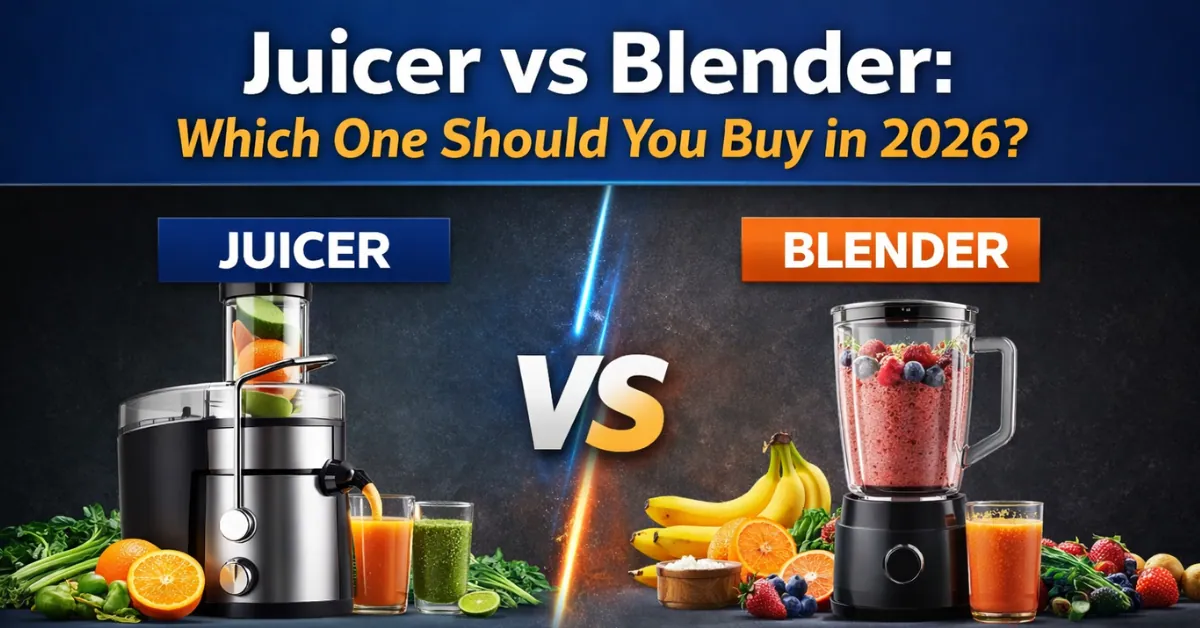
Do you love fresh, homemade drinks? Choosing between a juicer and a blender can make a big difference in your kitchen. Both appliances turn fruits and vegetables into delicious drinks, but they work differently and serve different purposes.
A blender keeps everything, including fibre, for thick, creamy smoothies. A juicer separates the liquid from the pulp, giving you a light, refreshing juice packed with vitamins. Let’s dive into the details to help you decide which is right for you.
What’s the Difference Between a Juicer and a Blender?
The key difference is fibre.
-
Blender: Breaks down the whole ingredient—skin, pulp, and fibre—into a smooth mixture. You get the full nutritional benefits, including fibre.
-
Juicer: Extracts only the liquid, leaving pulp behind. The result is a smooth, concentrated juice that’s easy to digest.
| Feature | Blender | Juicer |
|---|---|---|
| Texture | Thick, creamy, filling | Light, smooth, pulp-free |
| Fibre Content | Retains all fibre | Removes fibre |
| Sugar Absorption | Slower (prevents spikes) | Faster (quick energy) |
| Versatility | Smoothies, soups, sauces, nut milks | Mainly juice |
| Best For | Meal replacements, filling drinks | Quick hydration, nutrient boost |
How Does a Blender Work?
Blenders use high-speed blades to chop and mix ingredients completely. Nothing is removed, so you retain all the fibre and nutrients.
What You Can Make With a Blender:
-
Smoothies & smoothie bowls: Banana, berry, mango, and chocolate blends.
-
Soups & sauces: Creamy pumpkin soup, pesto sauce, or curry bases.
-
Nut milks & butters: Almond milk, cashew butter.
-
Frozen treats: Ice cream alternatives or smoothie pops.
Blenders are versatile, perfect for filling drinks and a variety of recipes.
How Does a Juicer Work?
Juicers separate liquid from pulp using centrifugal or masticating (slow-press) mechanisms. This creates smooth, concentrated juice that’s absorbed quickly by the body.
What You Can Make With a Juicer:
-
Fresh citrus juices: Oranges, lemons, grapefruits.
-
Green juices: Spinach, celery, apple, lemon.
-
Carrot & ginger juice: For a natural energy boost.
-
Immunity shots: Lemon, ginger, turmeric.
Juicers are great for light, refreshing drinks, concentrated nutrients, and detox routines.
Nutrition Comparison
| Aspect | Blender | Juicer |
|---|---|---|
| Fibre | Retained | Removed |
| Sugar absorption | Slow | Fast |
| Fullness | More filling | Less filling |
| Nutrient delivery | Balanced | Concentrated |
| Digestibility | Slower | Fast |
Blenders are better for sustained energy and satiety, while juicers provide quick nutrient absorption.
Best Ingredients for Each
For Blenders:
-
Bananas, mangoes, avocado (creamy fruits)
-
Leafy greens like spinach and kale
-
Oats, nuts, and protein powders
For Juicers:
-
Citrus fruits: oranges, lemons, grapefruit
-
Water-rich vegetables: celery, cucumber, carrots
-
Ginger, turmeric (for concentrated nutrients)
Lifestyle Considerations
-
Choose a blender if: You want filling smoothies, meal replacements, or versatile kitchen options. Perfect for busy mornings or post-workout shakes.
-
Choose a juicer if: You prefer light, refreshing juices, detox drinks, or concentrated nutrient shots. Ideal for those who want quick absorption and a low-fibre drink.
Many people use both: a juice in the morning, a smoothie later in the day.
Juicer vs Blender: Side-by-Side Comparison
| Feature | Juicer | Blender |
|---|---|---|
| Function | Extracts juice, separates pulp | Mixes all ingredients |
| Consistency | Thin, pulp removed | Thick, pulpy |
| Settings | Usually 1 default | Multiple, recipe-based |
| Parts | 5 parts: lid, screw, strainer, wiper, bowl | 2 parts: jar & blade |
| Assembly | Required | Not required |
| Cleaning | More time-consuming | Easy |
| Safety | Safer, no sharp blades | Blade cleaning requires care |
Tips for Using Pulp
Don’t throw away leftover pulp from juicing:
-
Add to muffins, pancakes, or bread
-
Mix into veggie burgers, soups, or sauces
-
Compost for your garden
FAQs: Juicer vs Blender
1. What is healthier: Juicing or blending?
Blending retains fibre, keeps you full, and slows sugar absorption. Juicing removes fibre but provides quick nutrients. Both are healthy, depending on your goals.
2. Can you use a blender as a juicer?
Partially. Blend and strain the mixture through a fine mesh or cheesecloth. It won’t be as smooth or efficient as a juicer.
3. Which is better for weight loss?
Blending is better because fibre keeps you full. Juicing lacks fibre and may leave you hungry sooner.
4. Are blenders good for smoothies?
Yes. High-powered blenders like Borosil NutriBlend create creamy, nutrient-rich smoothies.
5. How do I clean a juicer vs a blender?
Blenders are easier: rinse or use the blend-clean function. Juicers have multiple parts and require thorough cleaning.
6. Can I juice citrus fruits in a blender?
You can blend them, but juicers extract pulp-free juice more efficiently.
Conclusion
Choosing between a juicer and a blender depends on your lifestyle and goals.
-
Blender: Best for fibre-rich, filling smoothies, soups, and versatile recipes. Great for busy mornings, meal replacements, and balanced nutrition.
-
Juicer: Ideal for light, nutrient-dense juices, detox drinks, and quick vitamin absorption. Perfect for morning juices and refreshing beverages.
At Bijli Bazar, we recommend assessing your needs, ingredient types, and desired consistency before making a purchase. Both appliances can complement each other to help you get the most from your fruits and vegetables.